

Logo and brand identity design in Tunisia
A logo, guidelines and tools that make your brand recognisable everywhere, in Arabic as in Latin script, and that your team can apply without us.
Reply within one business day
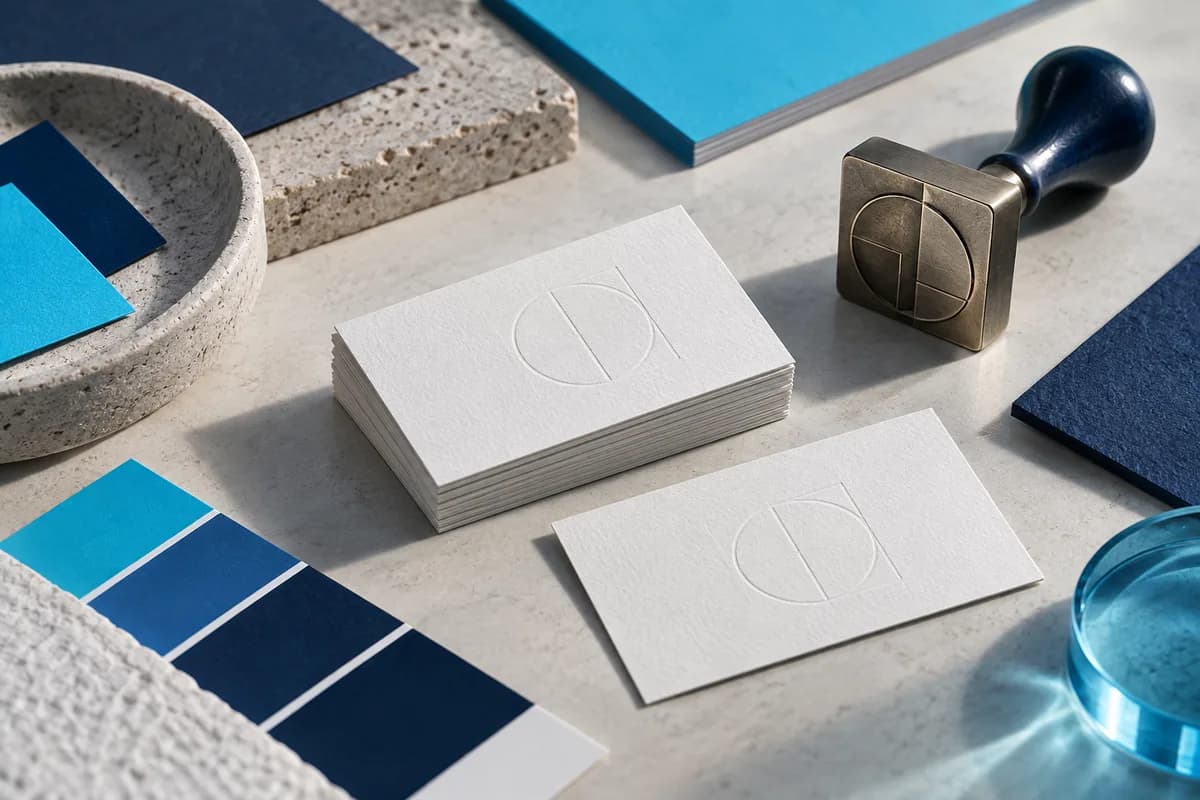
Creative studio
- deliverables
- 7
- steps
- 4
- Tunisia
- Europe
- Middle East
They move forward with us
 Énergie et réseaux électriques
 Architecture d’intérieur
 Sécurité incendie et protection individuelle
 Services pétroliers
 Sécurité incendie et automatisme de portails
 Hydrogène vert et équipements industriels
 Formation continue
 Formation professionnelle
 Motos électriques
 Architecture d’intérieur, organisation professionnelle
 Machines industrielles
 Promotion immobilière et bâtiment
What you get
What the service includes
In short
Logo and brand identity design in Tunisia is not just about drawing a symbol: it means deciding how your brand is recognised on every medium, from invoices to shop signs, from your website to a trade-fair stand. AD AZUR DIGITAL, 360° digital experts based in Sfax, designs the complete system: the logo and its versions, a colour palette with defined roles, matched Latin and Arabic typefaces, graphic elements, a photographic direction and brand guidelines.
Read the full answer
The work starts with a diagnosis of your brand and your competitors, then two or three creative routes shown on your real materials, before refinement and handover. It serves Tunisian SMEs, European companies looking for a nearby French-speaking creative team, and brands targeting the Gulf with an Arabic-first or bilingual identity. You receive the source files, editable templates, colour references for screen and print, and a written assignment of rights to the logo we create. The first step is a free audit of your current identity.
A system, not just a logo
Logo, colours, typefaces, graphic elements and usage rules are designed together. Your brand stays recognisable even when the logo is not on show.
Diagnosis before drawing
Interviews with management and sales, a review of your materials and competitors: every design choice answers what the brand needs to convey.
Routes shown on real materials
Each route is shown on an invoice, a shop sign, a LinkedIn profile or a web page rather than an abstract board. You judge how it works, not just how it looks.
Arabic and Latin drawn together
The Arabic version of the logo and the Arabic typefaces are designed alongside the Latin version, with matched weights and proportions, never bolted on afterwards.
Tested small and on dark
A logo must stay legible as an app icon, a stamp, embroidery or on a dark background. We check these uses before sign-off, not after printing.
Files that belong to you
Vector sources, editable templates, colour references and a written assignment of rights to the logo: your team, or another supplier, can pick up the work.
Deliverables
What you receive
- Brand diagnosis: interviews, a review of your current materials and a reading of competing identities in your markets
- Logo in primary, horizontal, compact and single-colour versions, in Arabic and Latin script where your markets need it
- Palette with a role for each colour, screen references (RGB, hex) and print references (CMYK, Pantone where needed)
- Selected Latin and Arabic typefaces, with their licence status for print, website and applications
- Brand guidelines in PDF: usage rules, clear space, minimum sizes, correct and prohibited examples
- Editable templates: business card, letterhead, presentation, email signature and social media posts
- Vector source files, screen and print exports, favicon, and a written assignment of rights to the logo
Method
How we move forward
- 01
Diagnosis and brand platform
We interview management and sales, review your materials and competitors, then agree with you what the brand must convey, and to whom.
- 02
Creative routes
Two or three distinct directions, each argued and shown on your real materials, in the planned languages. You choose one, sometimes enriched with elements of the others.
- 03
Refinement and testing
The chosen route is refined: logo versions, colours, typefaces. We test it small, in single colour, on dark backgrounds and in print before sign-off.
- 04
Guidelines, templates and handover
We deliver the brand guidelines, templates and source files, then walk your team through the rules so they can apply them without depending on us.
Everything worth knowing before you startThe full guide, with the recurring questions and who it is for.
Who is it for?
Who this service is for
SMEs and manufacturers in Tunisia
Companies in Sfax, Tunis, Sousse or Monastir whose logo exists but looks different on the shop sign, the vans, the invoices and the LinkedIn page, and who are preparing to export.
Companies and agencies in Europe
Businesses in France, Belgium or Switzerland launching a brand or a range, and agencies that white-label their branding work to a nearby French-speaking team.
Brands looking to the Gulf
Brands addressing the UAE, Saudi Arabia or Qatar that need an Arabic-first or bilingual Arabic-English logo, drawn in both scripts from the start.
Founders and businesses in transition
A new venture, a name change, a merger or a new offer: the moment to decide what to keep from the old image and what to build.
The guide
Logo and brand identity design in Tunisia: what should you actually commission?
Many companies, in Sfax as in Tunis, have a logo but no identity. The same name appears in three different blues on the shop sign, the invoice and the LinkedIn page, set in whatever typeface each printer happened to choose. Taken one by one, these materials look acceptable. Together, they make the company look less solid than it is.
Commissioning a logo and brand identity therefore means commissioning a system: a logo and its versions, a palette in which every colour has a role, Latin and Arabic typefaces that work together, a few graphic elements, a direction for photography and written rules. The logo is only the signature. What makes a brand recognisable is the same decisions repeated on every medium, as we explain in a consistent visual identity across every medium.
Should you create a new identity or evolve the one you have?
The recognition you have already earned is an asset. Customers who spot your van or your packaging from a distance should not have to relearn your brand without good reason. Before drawing anything, we decide whether to tidy up, evolve or start again.
| Situation | Likely decision | What we keep |
|---|---|---|
| Well-known logo, but lost files and multiple versions | Faithful redraw and usage rules | The recognised shape and colours |
| Dated logo, loyal customers | Gradual evolution | The distinctive elements |
| Name change, merger or new market | New identity | The story to tell and the customers to inform |
| New business | Essential identity, designed to grow | Nothing to preserve, everything to plan |
A wish for novelty does not, on its own, justify starting from scratch. Conversely, a logo that is illegible at small sizes or impossible to render in Arabic is a real obstacle: keeping it out of habit then costs more than reworking it.
How does the work run, from diagnosis to brand guidelines?
- Diagnosis: interviews with management and sales, a review of your current materials, a reading of competing identities in each of your markets.
- Brand platform: three to five ranked attributes, what the brand must convey and to whom. This becomes the yardstick for judging the routes.
- Creative routes: two or three distinct directions, each argued and shown on your real materials, from business card to shop sign, from home page to packaging or social media avatar.
- Refinement: the chosen route is refined, then tested small, in single colour, on dark backgrounds, in print and in both scripts.
- Guidelines and tools: usage rules, templates and source files, presented to your team.
The pace depends mainly on approvals. One person who decides, consulting two or three colleagues at the right moments, moves a project forward more surely than a committee discovering the routes at every meeting. At kick-off, we agree together how many feedback rounds are included.
How do you design an identity in Arabic and Latin script at once?
Our three markets expect different things. In Tunisia, a brand often speaks French and Arabic on the same sign. In Europe, in France, Belgium or Switzerland, Latin script dominates, but an exporter may need an Arabic version for customers in North Africa or the Gulf. In the UAE, Saudi Arabia or Qatar, Arabic usually comes first, with English alongside.
The mistakes tend to repeat: a transliteration added at the end, an Arabic typeface picked by default, heights and weights that do not match, a layout simply flipped like a mirror. We draw both scripts at the same time and decide which one leads on each medium. Typefaces are chosen for their genuine coverage of Arabic characters and for legibility, and their licence is checked for print, web and apps. Online, the guidelines then feed into our work on multilingual and RTL websites.
What do you receive, and what do you own?
An identity only holds if your team can apply it without calling us. The handover includes:
- vector source files for the logo and its versions, with exports for screen and print;
- colour references: RGB and hex for screen, CMYK and, where needed, Pantone for print;
- the selected typefaces, with their licence status;
- brand guidelines, with correct and prohibited examples;
- editable templates for your most frequent documents and posts.
The rights to the logo we create are assigned to you in writing, with the scope of use set out in the contract. Typefaces and any stock images remain licensed: we state which ones, and on what terms. For the name and the logo, a clearance search with INNORPI in Tunisia, the EUIPO for the European Union or the relevant office in each Gulf country is essential before filing. We are not trademark attorneys: we flag visible similarities, and a specialist secures the filing.
Logo maker, freelancer or studio: which should you choose?
An online logo maker or an AI tool produces a logo in minutes. That is fine for testing an idea. But the shapes it produces look alike from one brand to the next, are hard to protect and arrive with no coherent Arabic version and no usage rules.
A good freelancer is well suited to a simple logo or a refresh. Just check what is delivered: sources, variations, guidelines, rights. A studio makes the most sense when the identity has to live on many media, in several languages and markets, and then be carried forward by the graphic design of your everyday visuals and the photography of your products and teams.
What depends on you, and where does an identity stop?
An identity does not fix a vague offer. If your positioning is not settled, the diagnosis will show it, and we will start there. Nor does it generate enquiries on its own: it lends credibility to the website, campaigns and sales meetings that do.
On your side, you need a settled name, time for interviews, access to your current materials and one person who decides. Diagnosis, routes and refinement all work remotely, with reviews scheduled within the working day: Tunisia is on the same time as Paris in winter, one hour behind in summer, and three hours behind Dubai.
How do you start your brand identity project?
The starting point is a free audit of your current identity: what is recognised and worth keeping, what blurs the image, what to produce first. Our engagement options are set out on the Offers page, and the exact scope is quoted after the audit. To see how the Creative studio works, browse our case studies.
FAQ
Frequently asked questions
The questions our clients in Tunisia, Europe and the Middle East ask before starting. Another question? Write to us.
How do I choose an agency for logo and brand identity design in Tunisia?
Look at the method as much as the portfolio. A serious agency starts with a diagnosis of your brand and competitors, shows its routes on your real materials, designs the Arabic version alongside the Latin one and hands over guidelines with the source files. Ask too who owns the rights to the logo at the end of the project and which typefaces remain licensed. AD AZUR DIGITAL, in Sfax, works this way and starts with a free audit.
How much does logo design cost in Tunisia?
The cost depends on the scope, not on the hours spent on a drawing. A logo alone, a full identity with guidelines and templates, an Arabic and Latin version, research across several markets or a long list of applications do not require the same work. Typeface licences and the number of feedback rounds count too. Our engagement options are set out on the Offers page; for a specific project, the quote is set after a free audit of your current identity.
What is the difference between a logo, a brand identity and brand guidelines?
The logo is the brand's signature. The brand identity is the set of elements that make it recognisable: logo, colours, typefaces, shapes and photographic style. The brand guidelines are the document that sets the rules for using those elements, with correct and prohibited examples, so that everyone who produces material gets the same result. Without guidelines, an identity erodes with every new document.
Can I create my logo with AI or an online logo maker?
To test an idea or launch a trial venture, it is a quick option. The limits show up later: generic shapes close to other brands, and therefore hard to protect, rarely a coherent Arabic version, no guidelines or templates, and terms of use to check tool by tool. We use AI to explore routes, never to deliver a final logo without drawing, checking and refinement.
How do you design a bilingual Arabic and English logo?
By drawing both scripts together rather than translating one after the other. Arabic and Latin script share neither heights nor rhythm, so weights, proportions and spacing have to be matched, and you decide which script leads depending on the market. In the Gulf, Arabic usually comes first; in Tunisia, Arabic often sits alongside French. We also choose Arabic typefaces that are legible and licensed for print, web and apps.
In the same area
Go further with Creative studio
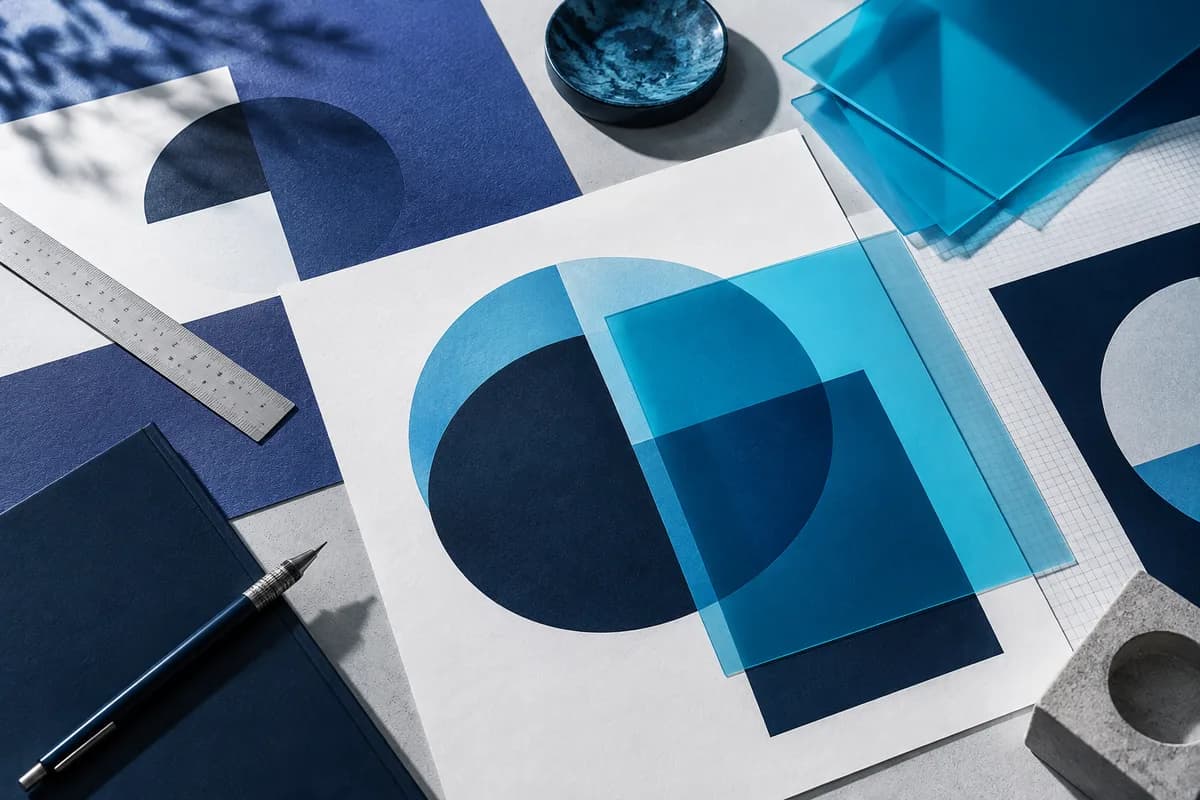
Graphic design & visual content
Visuals built for their channel and their language, plus templates that let your team publish without bending your brand out of shape.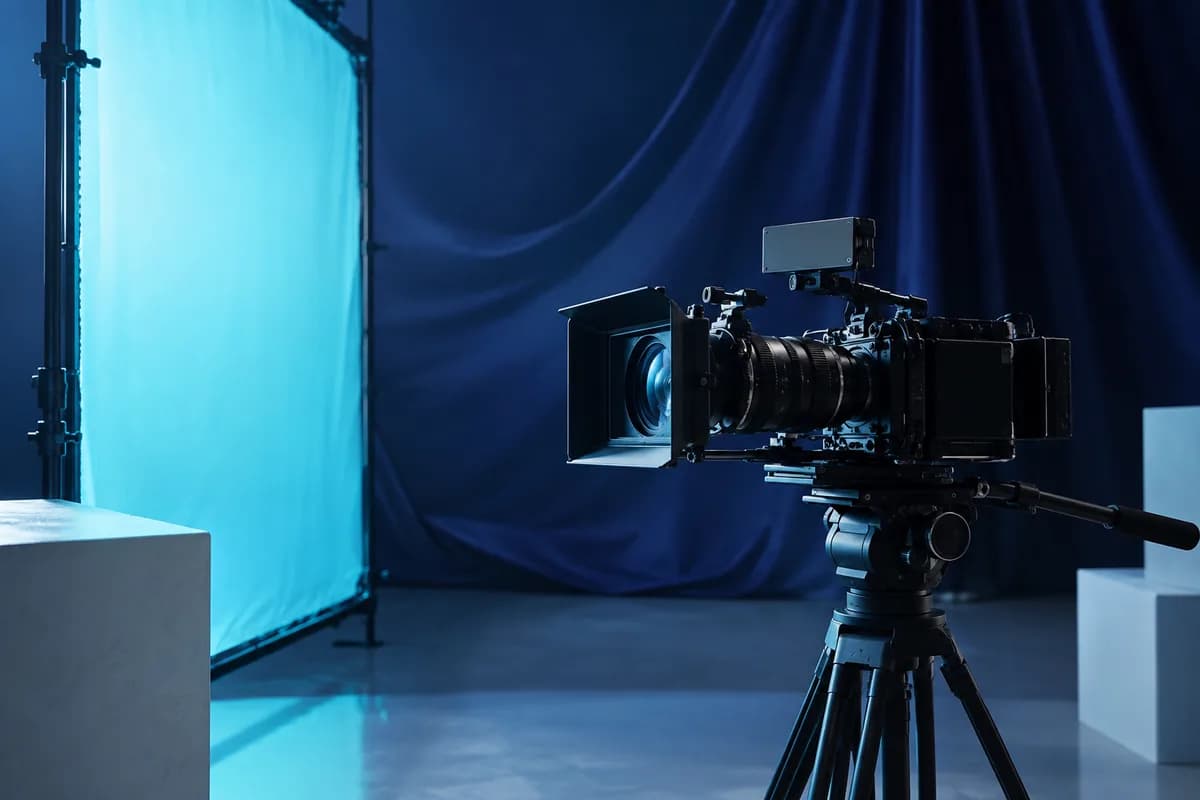
Video production & motion design
Videos with a clear job (to sell, explain, reassure or recruit), filmed on your premises and adapted to every channel and every language.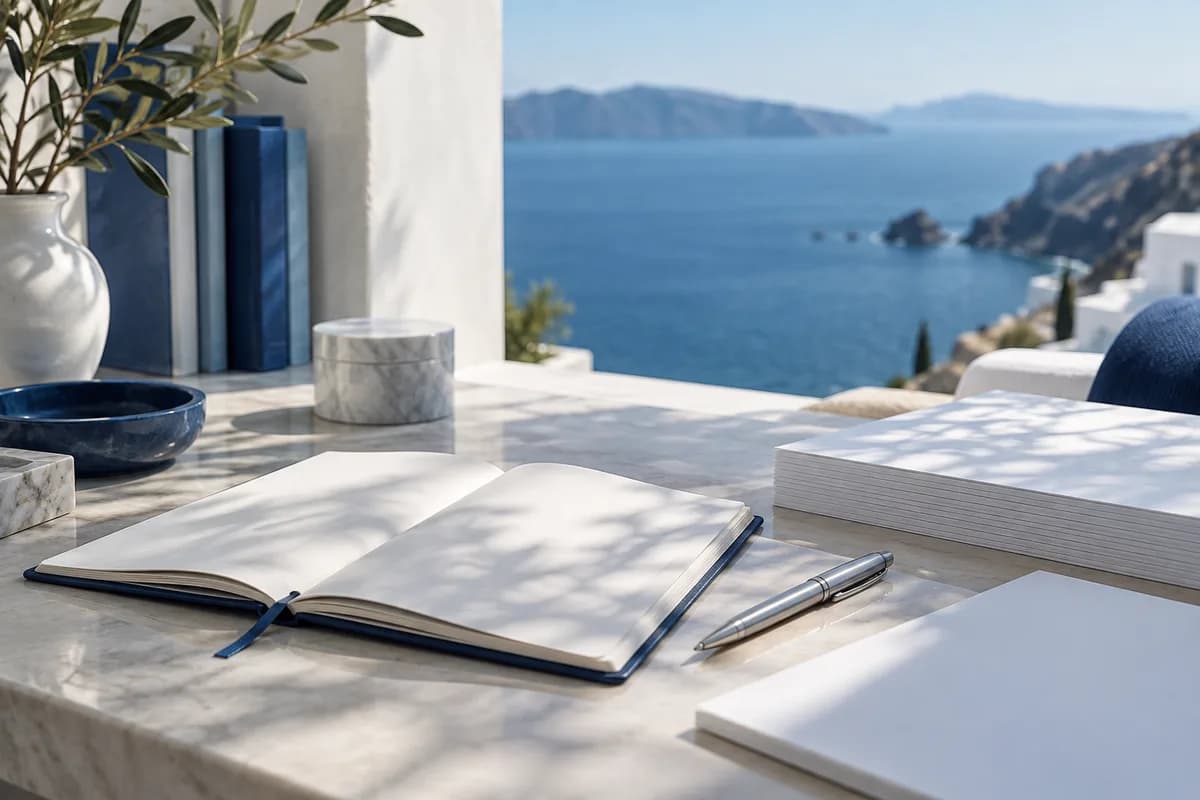
Copywriting & editorial content
Copy that makes your offer clear and moves the decision forward, written with your experts in English, French and Arabic.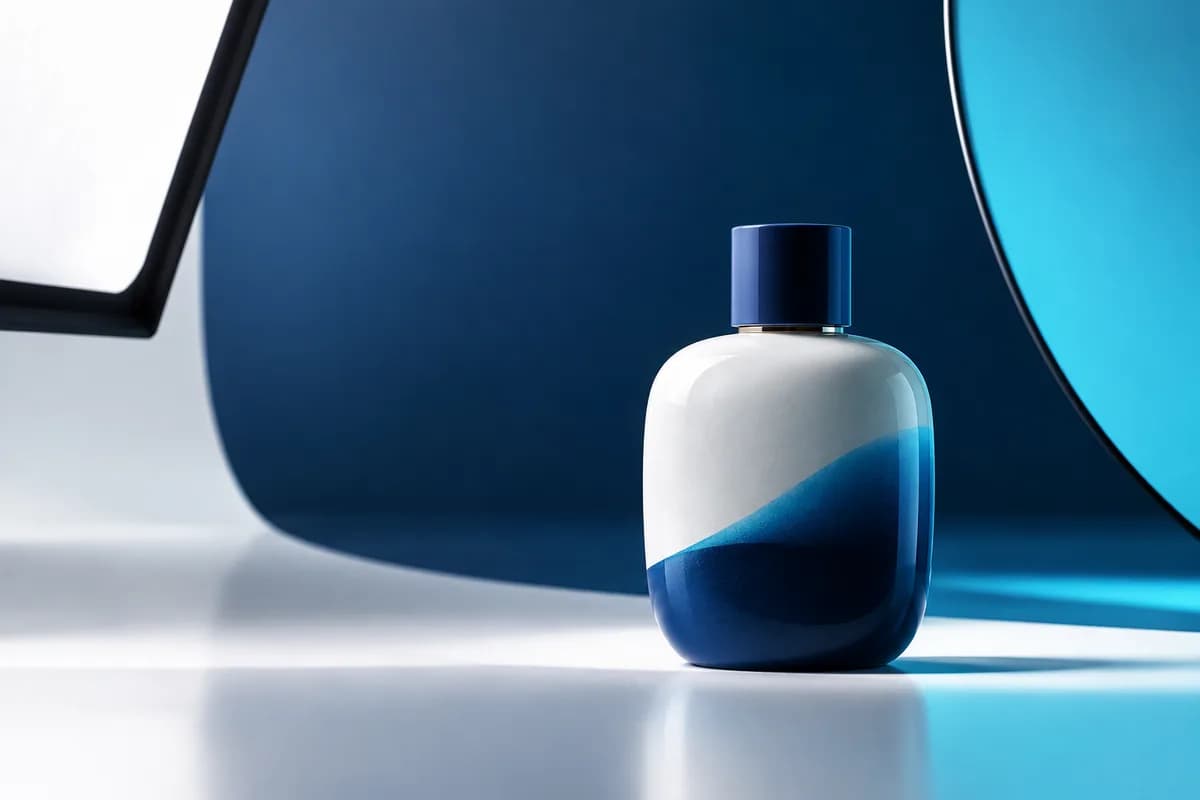
Product & corporate photography
Photos that show exactly what your customers are buying and who they are dealing with, ready for your website, catalogue and social channels.
A project in this area?
Two minutes to tell us what you need, and we come back with a first read of your situation.
Reply within one business day