

Corporate video production in Tunisia: filming, editing and motion design
Videos with a clear job (to sell, explain, reassure or recruit), filmed on your premises and adapted to every channel and every language.
Reply within one business day
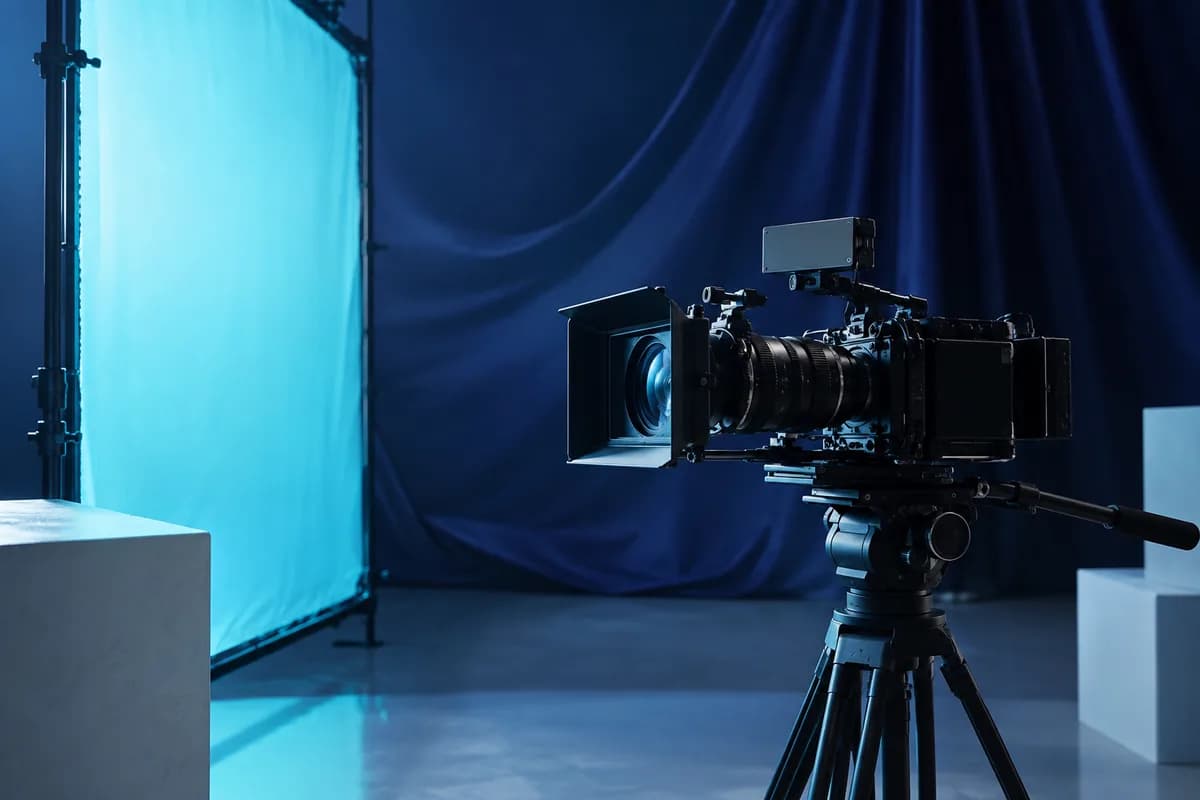
Creative studio
- deliverables
- 7
- steps
- 4
- Tunisia
- Europe
- Middle East
They move forward with us
 Énergie et réseaux électriques
 Architecture d’intérieur
 Sécurité incendie et protection individuelle
 Services pétroliers
 Sécurité incendie et automatisme de portails
 Hydrogène vert et équipements industriels
 Formation continue
 Formation professionnelle
 Motos électriques
 Architecture d’intérieur, organisation professionnelle
 Machines industrielles
 Promotion immobilière et bâtiment
What you get
What the service includes
In short
Corporate video production in Tunisia, as AD AZUR DIGITAL practises it from Sfax, means writing, filming and editing videos that serve one clear purpose: to sell, explain, reassure or recruit. Company films, short adverts, vertical formats for Reels and TikTok, customer testimonials, product videos and motion design explainers are each designed for a channel chosen before the shoot.
Read the full answer
The service is for Tunisian SMEs and manufacturers, European companies and agencies looking for a close, French-speaking creative team, and brands addressing the Gulf in Arabic and English. You receive an intent brief, an approved script, the main edit and its cut-downs for each format, proofread subtitles in French, English and Arabic, the working files and a clear record of the rights attached to every music track, typeface and image. The starting point is a free audit of your existing videos and channels.
One message per video
Before filming, we write down the one thing the viewer must remember and what they should do next. Length and tone follow from that.
Filmed on site, never invented
Your workshops, products and teams filmed as they really are. Generative AI never replaces an image that has to be true.
Motion design for the invisible
Software, a logistics flow or a financial service rarely film well: animation shows what a camera cannot see, in your brand's colours.
One shoot, several formats
From day one, the brief plans horizontal for the website, vertical for Reels and TikTok, and short cuts for advertising.
Three languages, proofread subtitles
Subtitles and voice-overs written in French, English and Arabic, with readable Arabic typography and proper right-to-left reading.
Clear rights, handed over
Music, typefaces, archive footage and releases from the people filmed: you know what you may broadcast, where and for how long.
Deliverables
What you receive
- Intent brief: objective, audience, single message, channels and the indicator to watch after release
- Approved script or storyboard, with shooting plan, locations, speakers and shot list
- Main edit plus cut-downs for your channels: horizontal, vertical and square
- Burnt-in subtitles and SRT files in every planned language: French, English, Arabic
- Motion design, on-screen graphics and titles consistent with your brand identity
- Working files and selected rushes, with a record of rights for music, typefaces and archive footage
- Image releases signed by everyone filmed, archived with the project
Method
How we move forward
- 01
Free audit and briefing
We review your existing videos and channels, then set the intent, the audience, the message and what will be measured after release.
- 02
Script and preparation
Approved script or storyboard, shooting plan, locations, speakers, permissions and the list of formats to deliver.
- 03
Filming and animation
On-site filming, interviews, voice-over and motion design, with a contact on your side who can make decisions on the spot.
- 04
Edit, versions and delivery
Structured review rounds, then exports per channel and language, subtitles, source files and a record of rights.
Everything worth knowing before you startThe full guide, with the recurring questions and who it is for.
Who is it for?
Who this service is for
SMEs and manufacturers in Tunisia
In Sfax, Tunis, Sousse or Monastir: show your know-how, your production site or your quality process to buyers at home and abroad.
Companies and agencies in Europe
Companies in France, Belgium or Switzerland, and agencies outsourcing editing or motion design on a white-label basis, in a nearby time zone.
Brands targeting the Gulf
Brands addressing the UAE, Saudi Arabia or Qatar that want Arabic-first or bilingual videos, conceived in the language rather than translated into it.
Marketing and HR teams
A steady need for campaign, social media or recruitment videos, with no in-house studio to write, film and edit them.
The guide
What should corporate video production in Tunisia actually deliver?
Many companies own a video they never use. It was shot for an anniversary or a trade fair, it runs too long, it opens with a drone shot and solemn music, and then the managing director recites a script learnt the night before. It was posted once and then vanished into a shared folder.
The camera is rarely the problem. The problem is a decision nobody made: who should watch this video, on which screen, and what should they do next? Corporate video production in Tunisia, or anywhere else, should start there. At AD AZUR DIGITAL, digital 360 experts based in Sfax, every video carries a single intent (to sell, explain, reassure or recruit) and a distribution channel agreed before the shoot. It is the rule shared across our whole Creative studio.
Which video format fits which objective?
Format follows intent, never the other way round. A video meant to reassure an industrial buyer in Germany has neither the length, the pace nor the tone of an advert announcing a shop opening in Sousse. The table below covers the cases we meet most often.
| Format | Main intent | Typical placement | What makes it useful |
|---|---|---|---|
| Company film | Reassure | Home page, trade fairs, sales meetings | Real places, real hands, real people |
| Short advert | Sell | Meta, YouTube, LinkedIn | One argument, shown in the opening seconds |
| Vertical video | Reassure, recruit | Reels, TikTok, Shorts | A pace native to the feed, readable with the sound off |
| Customer testimonial | Reassure | Website, sales proposals | Genuine words, with the customer's written consent |
| Motion design explainer | Explain | Service pages, onboarding, trade fairs | A process or service made visible |
| Recruitment video | Recruit | LinkedIn, careers page | Employees talking about their own work |
| Product video | Sell | Product pages, marketplaces | The product handled, from every useful angle |
Advertising shoots follow the same logic: we write the argument before booking the set. A video that runs in campaigns is then managed through online advertising, which sets the audiences and the media budget. For vertical formats, our article Vertical video: showing the work without faking it sets out what works and what to avoid.
A single shoot can feed several of these formats. That is often the best use of a filming day: one main film, then vertical extracts, short cuts for advertising and clips for the website. It has to be planned at the briefing stage, though, because a shot framed horizontally does not always crop cleanly to vertical.
Live action or motion design: how do you decide?
Live action is proof. It shows your workshop, your quality control, your teams at work, your product in a customer's hand. When a buyer wonders whether you really exist and really know your trade, nothing replaces a genuine image.
Motion design explains what a camera cannot see. Software, a logistics flow, a financial service, what happens inside a machine or a working method all film badly. Animation makes them readable: diagrams, animated text, icons, simplified interfaces. It uses the colours, typefaces and logo of your brand identity, so the video looks like your brand rather than a generic template.
Mixing the two is common: a filmed interview punctuated by animated diagrams that clarify a technical point. One limit is worth knowing: no animation will make an unclear message clear. If your offer is hard to sum up in two sentences, the work starts with the script, not with the animation software.
How does a production run, from script to delivery?
- Intent brief: objective, audience, single message, channels, the indicator to watch after release, and who signs off.
- Script or storyboard: what we see, what we hear, in what order. This is the stage where a change costs least.
- Location scouting and shooting plan: locations, light, machine noise, production hours, speakers, permissions.
- Shoot: footage, interviews and ambient sound, with someone on your side able to decide on the spot.
- Editing and motion design: pace, on-screen graphics, music, voice-over and colour grading.
- Review: grouped, written feedback on a complete cut rather than shot by shot.
- Versions and delivery: exports per channel and per language, subtitles, working files and a record of rights.
For a corporate video in Sfax, Tunis or the Sahel, scouting happens on site: it is what stops you discovering on filming day that a production line is down or that background noise drowns out the interviews. Some shots, such as drone footage, depend on permissions obtained in advance: we plan them at the briefing stage, or we do without. When you also need stills, a product and corporate photography session can be scheduled on the same day, with the same locations and the same people.
How do you produce one video in French, English and Arabic?
Our three markets do not watch the same video. In Tunisia, a brand often speaks French and Arabic at once. In Europe, French and English dominate. In the Gulf, in the UAE or Saudi Arabia, Arabic often comes first, with English alongside.
So the language is decided before the shoot. An interview can be conducted in Arabic and subtitled in French and English, or the other way round. A voice-over can be recorded in each language by a native voice chosen for the audience: Modern Standard Arabic, Tunisian Derja or a Gulf dialect. On-screen text leaves room, because a sentence does not keep the same length from one language to another.
Subtitles are written, not auto-generated and forgotten. They are proofread, split so they can be read at a glance, and delivered in two forms: burnt in for social media, where people often watch with the sound off, and as separate files for YouTube or your website. In Arabic, the typeface, the punctuation and right-to-left reading are respected, without the disconnected or reversed letters still seen far too often.
What depends on you, and where do our commitments stop?
A video needs your involvement. You need locations that are available and tidy, products that are ready, people willing to speak on camera and one person who decides. Everyone filmed signs an image release: it protects them as much as you, in Tunisia as in Europe, where the GDPR also covers images of identifiable people.
Music, typefaces and archive footage each come with their own licence. We tell you what belongs to you, what is licensed, for which uses and for how long. Generative AI can help us prepare a storyboard or adapt a format; it never fabricates your products, your premises or your people.
We promise neither views nor virality. A video is judged on what it was meant to trigger: enquiries, job applications, fewer questions in sales meetings. On your website it must also stay light: a badly integrated background video slows down the very page it was meant to enhance. Our web performance work sets the right hosting and loading method.
How do you start your video project?
The starting point is a free audit: your existing videos, your channels, what can be reused and the first production worth making. You leave with an intent brief, not a catalogue of formats. Our engagement formats are set out on the Offers page, and the exact scope is quoted after the audit.
FAQ
Frequently asked questions
The questions our clients in Tunisia, Europe and the Middle East ask before starting. Another question? Write to us.
How do I choose a corporate video production company in Tunisia?
Notice what they ask you before they talk about cameras. A good corporate video production company starts with the objective, the audience and the channel, writes a script you approve, shows real work and spells out the rights to music and images. Also check that it delivers the versions your channels need, with proofread subtitles in your languages. That is how AD AZUR DIGITAL works, from Sfax.
How much does a corporate or advertising video cost in Tunisia?
Cost depends on the number of filming days, the locations, the speakers, the share of motion design, the languages, the voice-overs and the music rights. A video cut from a shoot that is already planned costs less than one produced from scratch. Our engagement formats are on the Offers page; for a specific project, the quote is built after a free audit, which also identifies what you can reuse.
Live action or motion design: which should I choose for a business video?
Choose live action when you need proof: your premises, teams and products exist, and you know your trade. Choose motion design when you need to explain something that films badly, such as software, a logistics flow or a service. Mixing both is common, for example a filmed interview punctuated by animated diagrams. Either way, the script must be clear before any animation starts.
Can you produce our videos in Arabic, French and English?
Yes. The language is decided before the shoot: interviews, voice-overs and on-screen text are planned for each version. Subtitles are written and proofread, then delivered burnt in for social media and as separate files for YouTube or your website. In Arabic, typography and right-to-left reading are respected. Depending on the audience, we cast a native voice: Modern Standard Arabic, Tunisian Derja or a Gulf dialect.
Can we work with you from France or the UAE?
Yes. Scripting, motion design, editing and subtitling are done remotely, with reviews scheduled within the working day: Tunisia is on the same time as Paris in winter, one hour behind in summer, and three hours behind Dubai. Filming takes place where your products and teams are: in Tunisia it is simple to organise; elsewhere, the conditions are discussed at the briefing stage. Agencies can also hand us editing on a white-label basis.
In the same area
Go further with Creative studio
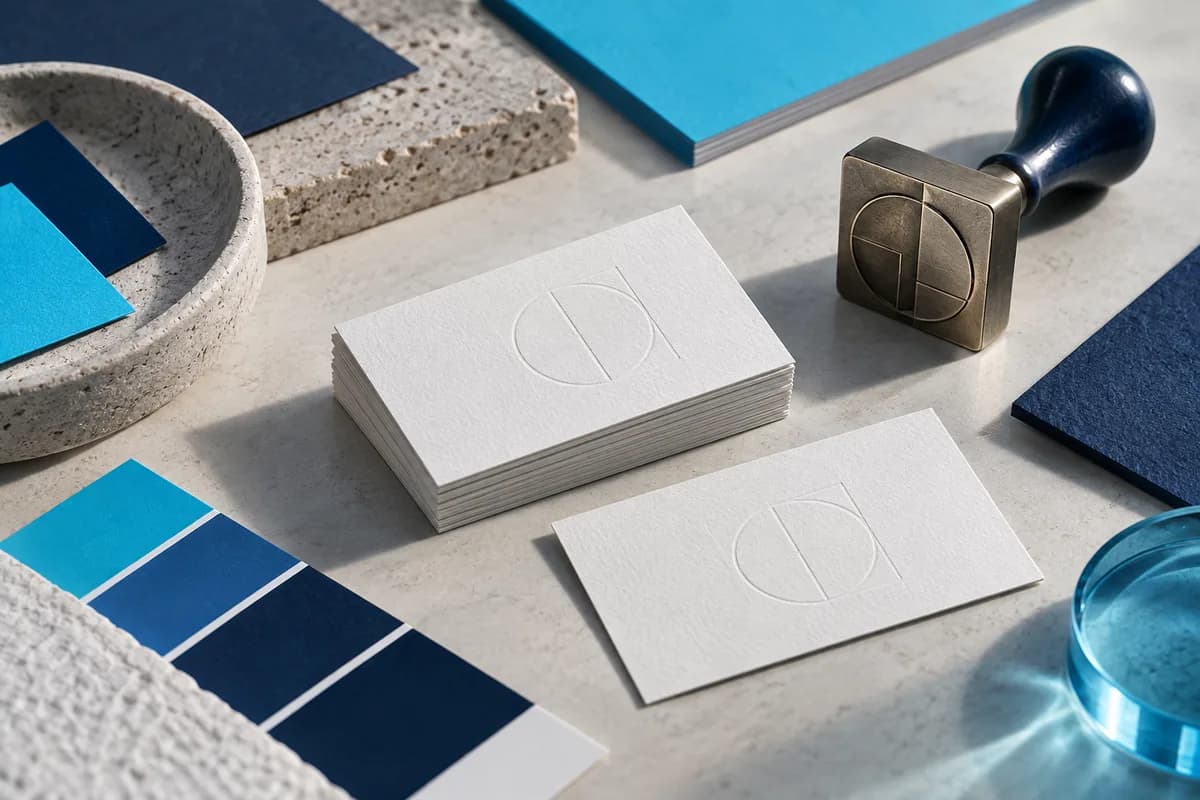
Brand identity
A logo, guidelines and tools that make your brand recognisable everywhere, in Arabic as in Latin script, and that your team can apply without us.
Graphic design & visual content
Visuals built for their channel and their language, plus templates that let your team publish without bending your brand out of shape.
Copywriting & editorial content
Copy that makes your offer clear and moves the decision forward, written with your experts in English, French and Arabic.
Product & corporate photography
Photos that show exactly what your customers are buying and who they are dealing with, ready for your website, catalogue and social channels.
A project in this area?
Two minutes to tell us what you need, and we come back with a first read of your situation.
Reply within one business day