

Product photographer in Tunisia: corporate photography in Sfax
Photos that show exactly what your customers are buying and who they are dealing with, ready for your website, catalogue and social channels.
Reply within one business day
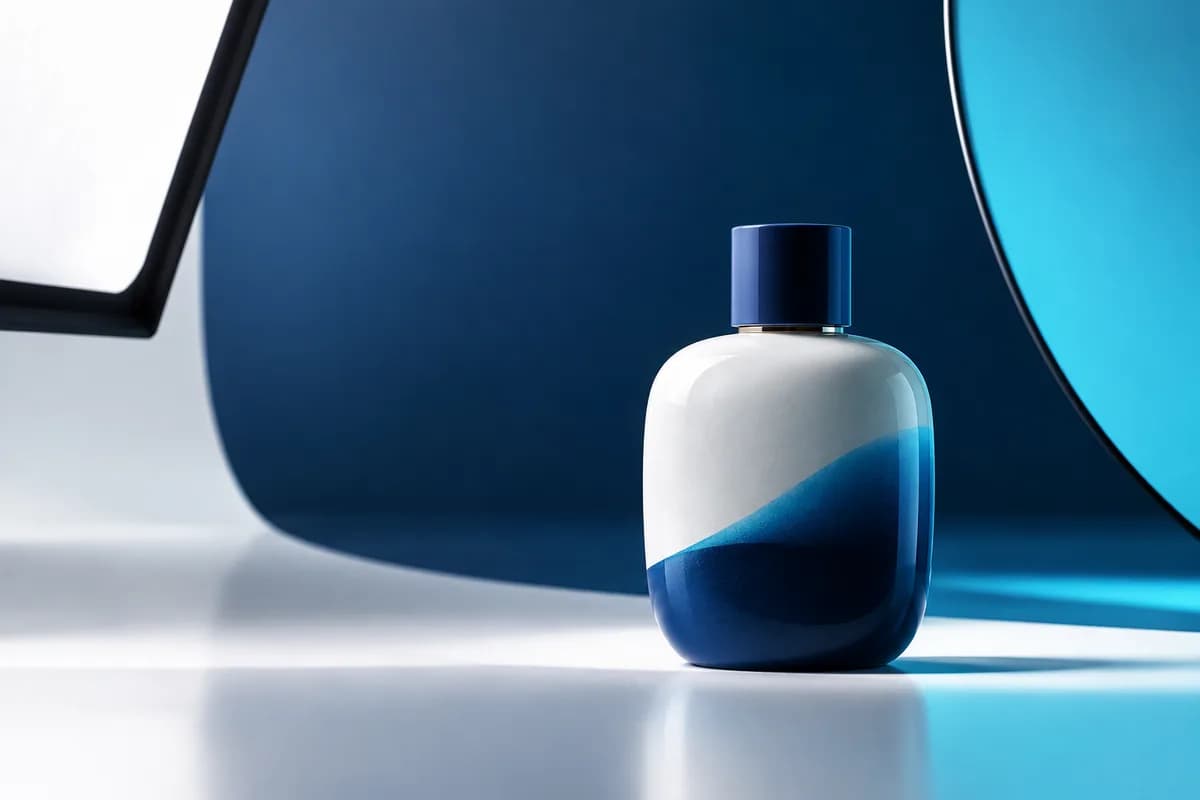
Creative studio
- deliverables
- 7
- steps
- 4
- Tunisia
- Europe
- Middle East
They move forward with us
 Énergie et réseaux électriques
 Architecture d’intérieur
 Sécurité incendie et protection individuelle
 Services pétroliers
 Sécurité incendie et automatisme de portails
 Hydrogène vert et équipements industriels
 Formation continue
 Formation professionnelle
 Motos électriques
 Architecture d’intérieur, organisation professionnelle
 Machines industrielles
 Promotion immobilière et bâtiment
What you get
What the service includes
In short
AD AZUR DIGITAL works as a product photographer in Tunisia for businesses that need images built for a purpose, not just good-looking ones. From Sfax, the Creative Studio shoots packshots, detail and in-context images, executive and team portraits, and pictures of workshops, factories and offices.
Read the full answer
Every shoot starts from a shot list tied to a specific use: e-commerce product page, catalogue, website, trade fair, LinkedIn or advertising. Products are photographed under controlled lighting, in Sfax or at your premises, with faithful colour and retouching that never changes what the product is. The service is designed for Tunisian SMEs and brands, European companies that manufacture or source in Tunisia, and brands selling across the Gulf and the wider Middle East. You receive print-ready and web-optimised files named by product reference, alt text in English, French and Arabic, a shooting spec sheet that keeps your catalogue consistent, and a licence document that states what you may use and where. It all starts with a free audit of your current images.
A shot list before the camera
Every image has a destination: product page, homepage, catalogue, LinkedIn post. Angles, formats and variants are fixed before the day, so nothing is forgotten on site.
Colour true to the product
Measured white balance, a colour chart in frame and images checked against the real item: the customer should receive the shade they saw on screen.
A catalogue that stays consistent
Same background, angles and light, recorded in a shooting spec sheet. Products photographed months later line up with the earlier ones.
Your company as it really is
Executive and team portraits, workshops, production lines and offices: real images that reassure a buyer, partner or candidate before the first meeting.
Honest retouching
Dust, stray reflections, cut-outs and backgrounds: yes. Changing a colour, hiding a defect or improving a product beyond what you ship: no.
Files ready for every use
High-resolution masters for print, lightweight web exports, file names by product reference and alt text in English, French and Arabic.
Deliverables
What you receive
- Approved shot list: products, angles, formats and the intended use of each image
- Cut-out packshots on a neutral background, with colour or finish variants where they exist
- Detail, material and in-context shots for product pages and social media
- Portraits and photos of teams, workshops or offices, with signed image releases
- High-resolution print files and lightweight web exports, named by product reference
- Alt text in English, French and Arabic, ready to add to your website
- Shooting spec sheet (light, background, angles) and a licence stating the permitted uses
Method
How we move forward
- 01
Scope
Uses, channels, product and shot lists, locations and people to photograph. We also agree who approves, and when.
- 02
Prepare
Products cleaned and labelled, spaces tidied, releases ready, the day scheduled. A spec sheet fixes background, light and angles.
- 03
Shoot
In a studio set-up or on site, with images reviewed during the session by the person who approves, so issues are fixed there rather than afterwards.
- 04
Deliver
Selection, retouching, exports by use, alt text and the licence document, delivered to a shared space that stays in your hands.
Everything worth knowing before you startThe full guide, with the recurring questions and who it is for.
Who is it for?
Who this service is for
Manufacturers and SMEs in Tunisia
Companies in Sfax, Tunis, Sousse or Monastir that need to show their products, workshops and teams to buyers, on the local market and in export markets.
Online shops and consumer brands
E-commerce sites and food, cosmetics or craft brands that need a consistent catalogue for their website, marketplaces and advertising.
Brands and agencies in Europe
French, Belgian or Swiss brands that manufacture in Tunisia and want photos taken at source, and agencies looking for a French-speaking white-label partner.
Companies targeting the Gulf
Brands selling in the UAE, Saudi Arabia or Qatar that need images composed for Arabic-first layouts read from right to left.
The guide
Why hire a product photographer in Tunisia rather than use stock images?
A buyer who cannot touch the product judges it by its photo. They look at the finish, the material, the size and the exact colour. When the page shows a blurry supplier image, a phone snapshot taken on a desk or a stock photo that vaguely resembles your item, they hesitate, compare elsewhere, or order and then send it back.
Corporate photography does the same job for the company itself. A European distributor looking for a manufacturer, a Gulf client choosing a supplier, a candidate weighing two job offers: all of them want to see your workshops, your teams and your premises before they meet you. A generic image proves nothing, because it could belong to anyone.
Hiring a product photographer in Tunisia, close to your products and your sites, serves one purpose: showing reality, in the right format, for every channel where you are being judged. That is the role of this service within the AD AZUR DIGITAL Creative studio.
Which photos should you produce, and for what use?
The first mistake is to book 'a shoot' without knowing where the images will go. You end up with attractive photos in the wrong format, or without the back view the product page needed. We start from the use, then choose the type of image.
| Type of photo | Main use | What matters |
|---|---|---|
| Packshot on a neutral background | Product page, catalogue, marketplaces | Faithful colour, identical angles across products |
| Detail or material shot | Product pages, B2B sales material | Texture, finish, legible label |
| In-context shot | Website, social media, advertising | Scale, real use, setting consistent with the brand |
| Executive or team portrait | About page, LinkedIn, press, recruitment | Natural look, consistent lighting, one style for everyone |
| Workshop, factory or offices | Corporate site, supplier file, trade fairs | Tidy spaces, visible safety, real gestures |
Some subjects are better filmed than photographed: a manufacturing process or a machine in motion is easier to grasp on video. In that case we coordinate both shoots with video production, so you host one day on site instead of two.
How do you prepare a corporate photo shoot in Sfax or elsewhere in Tunisia?
A shoot day is won before anyone arrives. The shot list is the central document: each line gives the product or scene, the angle, the format (square, portrait or landscape) and the page or medium that will use it. You approve it before the session, and it is ticked off on site.
Whether the shoot takes place in Sfax, Tunis, Sousse or at an industrial site, preparation always follows the same order:
- Gather the products, cleaned, labelled and in every variant to be shown.
- Tidy the spaces being photographed and plan for visible safety equipment in workshops.
- Inform the people being photographed and prepare their image release forms.
- Set a schedule for the day that respects production and team hours.
- Name one person on site who approves images as the session goes.
That last point prevents most reshoots. An upside-down label or a product from the wrong batch takes a minute to fix on site, and costs a new session if it is spotted at delivery.
How do you keep a catalogue consistent as it grows?
A catalogue loses its consistency one product at a time. One reference shot on a different background, slightly warmer light, a marginally different angle: harmless in isolation, but on a category page the whole range looks improvised.
To prevent this, every shoot produces a shooting spec sheet: background, lighting diagram, distance, camera height, chosen angles and retouching settings. Products added later, by us or by another photographer, line up with the earlier ones. The art direction itself follows the rules of your brand identity: same background colours, same mood, same space left for text.
That space matters particularly for brands that communicate in Arabic. In a right-to-left layout, the headline often sits on the right. A photo composed with free space on the correct side, or shot in two variants, avoids flipping the image, which would mirror the logos and lettering on the product.
How far does retouching go?
Retouching corrects what the camera rendered poorly, not what the product is. We remove dust and stray reflections, cut out products, harmonise backgrounds and check colour against the real item. We do not change a shade, hide a defect the customer will receive, or improve a finish beyond what you actually ship. An overly flattering photo ends up as a return or a negative review.
The same rule applies to generative AI. It can extend a background to fit a wide format. It is never used to invent a product, a workshop or a team. We explain where we draw that line in Generative AI and brand content.
What do you receive, and who owns the photos?
Images are delivered by use: high-resolution files for print, lightweight exports sized for the web, and file names built on your product references. Every image intended for the website comes with alt text in English, French and Arabic, which helps accessibility and image search alike. If the photos feed an online shop, we prepare them for the formats of your e-commerce site and target marketplaces.
On rights, nothing is left implicit. A licence document sets out the permitted uses, media, duration and territories, export markets included. Signed releases from the people photographed are attached. We point to the applicable framework, from the GDPR in Europe to Tunisia's Organic Law 2004-63 and Gulf rules such as Saudi Arabia's PDPL, without standing in for your legal adviser.
What depends on you, and where are the limits?
The quality of a shoot depends heavily on what is ready on the day: products available and in good condition, accessible spaces, willing people and one person who decides. Outdoor shots also depend on light and weather, so we plan a fallback.
The service covers business photography: products, teams, premises and professional events. When a shoot has to take place in Europe or the Middle East, the approach is agreed at the scoping stage: travel, or a local photographer briefed and directed from our shot list. For a European brand that manufactures in Tunisia, photographing products at source, before shipping, is usually the simplest option.
How do you get started?
The starting point is a free audit of your current images: the ones letting down your most visited pages, the ones missing, and the ones to redo first. You leave with a prioritised shot list. Our engagement formats are set out on the Offers page, and the exact scope is quoted after the audit.
FAQ
Frequently asked questions
The questions our clients in Tunisia, Europe and the Middle East ask before starting. Another question? Write to us.
How do I choose a product photographer in Tunisia?
Look at work in your own category: glossy items, food, textiles and industrial parts each need different lighting. Ask about preparation: a photographer worth hiring asks where each image will be used before quoting. Check colour accuracy against the real products, the delivery formats for web and print, and whether a written licence states your usage rights. Finally, ask how new products will match the existing catalogue a few months later.
Should e-commerce product photos be on a white background or in context?
Usually both, because they do different jobs. A packshot on a white or neutral background shows the product without distraction, and several marketplaces require it for the main image. In-context shots show scale, use and mood, which helps on the website, social media and advertising. A strong product page combines a clean main image, detail shots of the material and finish, and one or two photos of the product in use.
How should a company prepare for a corporate photo shoot?
Start with a shot list that states each image, its format and where it will be used. Then gather clean, labelled products in every variant, tidy the spaces, check that safety equipment is visible in workshops and tell staff in advance. Prepare signed image releases, plan the day around production, and make sure one decision-maker is present to approve images as the session progresses.
Who owns the photos after a professional shoot?
In principle the photographer remains the author of the images, and the client receives usage rights through a written assignment or licence. That document should list the permitted uses, media, duration and territories, export markets included. Photos of identifiable people also require their consent, under frameworks such as the GDPR in Europe or Tunisian data protection law. Ask for both documents before the shoot, not after publication.
Can AI-generated images replace a product photo shoot?
Not for showing your actual products, premises or people. A buyer expects the item they receive to match the photo, and invented images lead to returns, complaints and lost trust; marketplaces also require images that accurately represent the product. Generative AI can help with a mood board or extend a background to a wider format. For anything the customer will judge as real, photograph the real thing.
In the same area
Go further with Creative studio
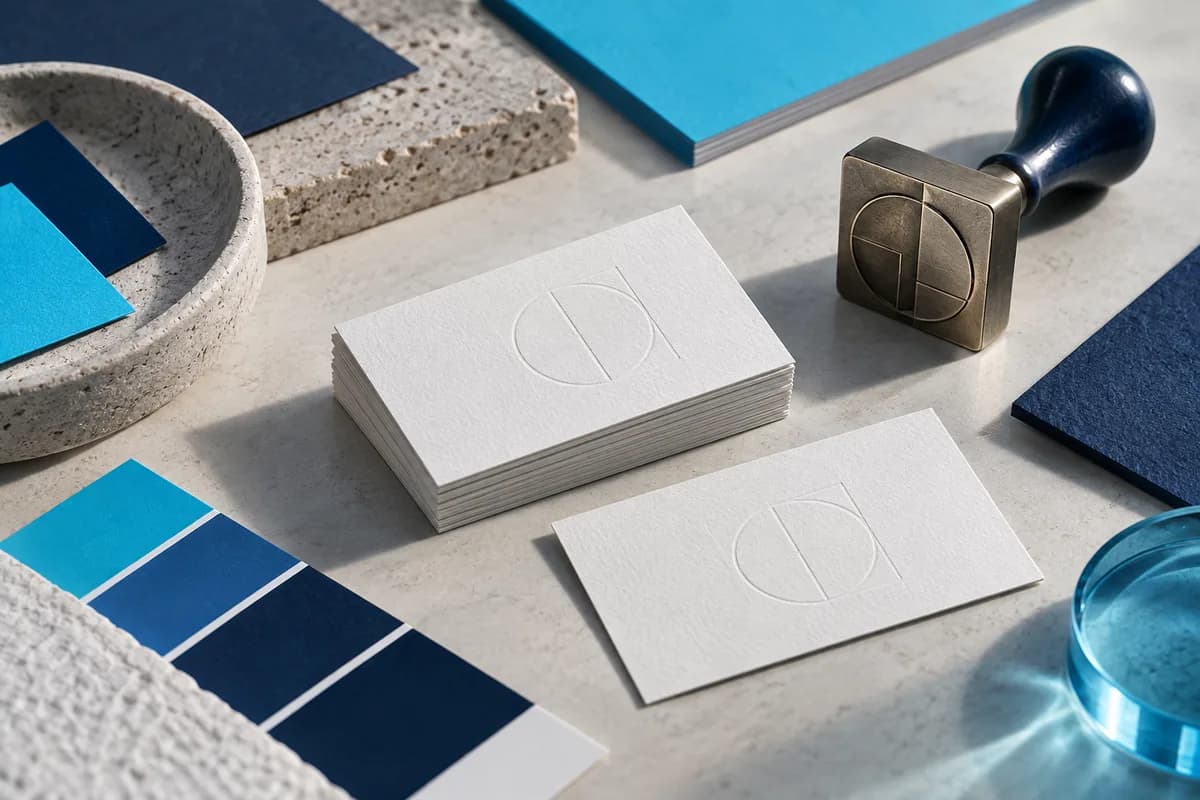
Brand identity
A logo, guidelines and tools that make your brand recognisable everywhere, in Arabic as in Latin script, and that your team can apply without us.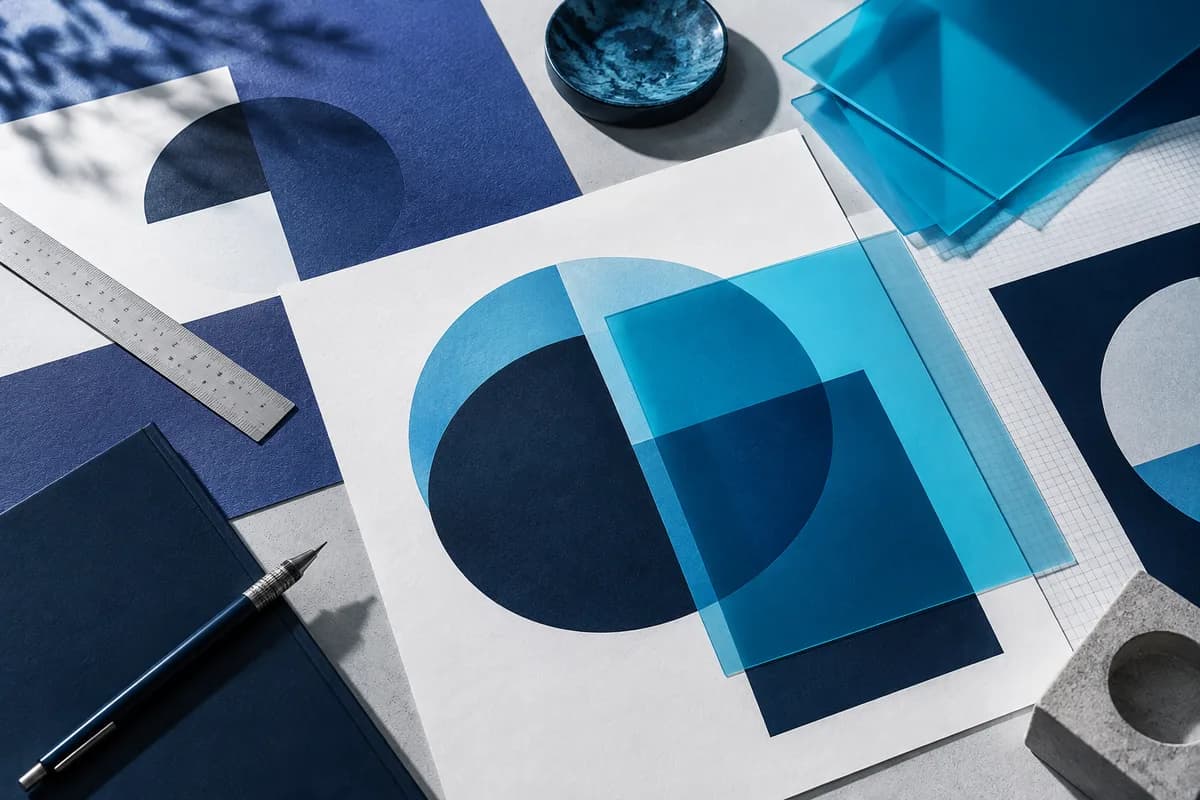
Graphic design & visual content
Visuals built for their channel and their language, plus templates that let your team publish without bending your brand out of shape.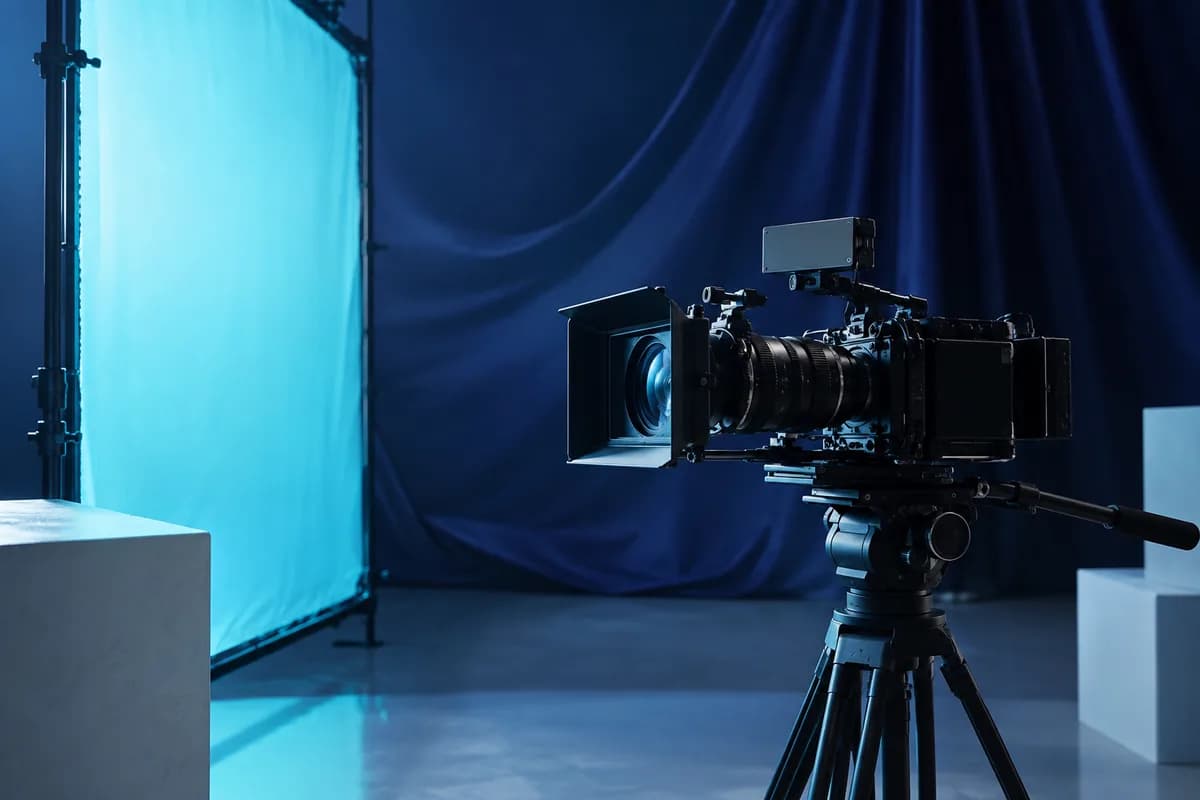
Video production & motion design
Videos with a clear job (to sell, explain, reassure or recruit), filmed on your premises and adapted to every channel and every language.
Copywriting & editorial content
Copy that makes your offer clear and moves the decision forward, written with your experts in English, French and Arabic.
A project in this area?
Two minutes to tell us what you need, and we come back with a first read of your situation.
Reply within one business day